Thinking about turning your Golden Eagle home into a long-term executive rental? You are not alone. Many owners in Tallahassee’s gated golf community want steady income, lower turnover, and tenants who value quality and convenience. In this guide, you’ll learn where demand comes from, what rent premium is realistic, how to underwrite the numbers, and the exact steps to launch and manage an executive rental the right way. Let’s dive in.
Why executive rentals fit Golden Eagle
Tallahassee’s economy is anchored by state government, higher education, and health care. These sectors bring in professionals who need comfortable, turnkey housing for 6 to 24 months. That stable demand is different from the student market and supports mid to upper income rentals.
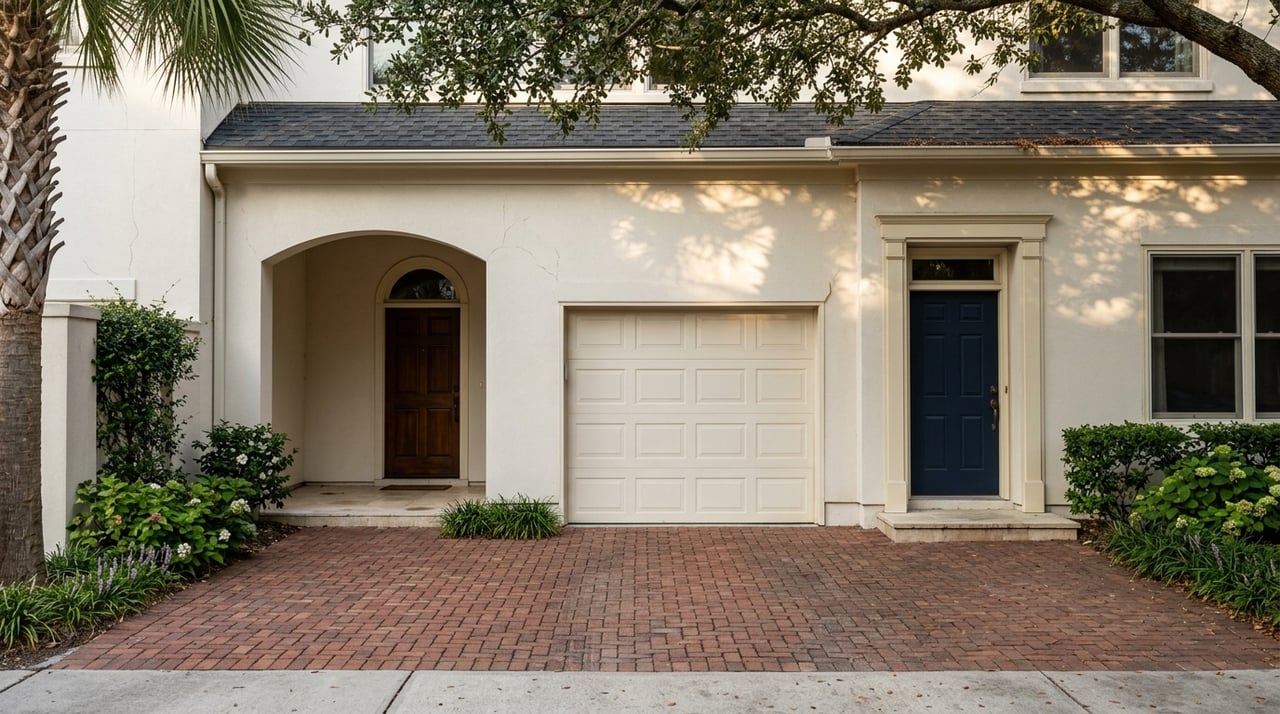
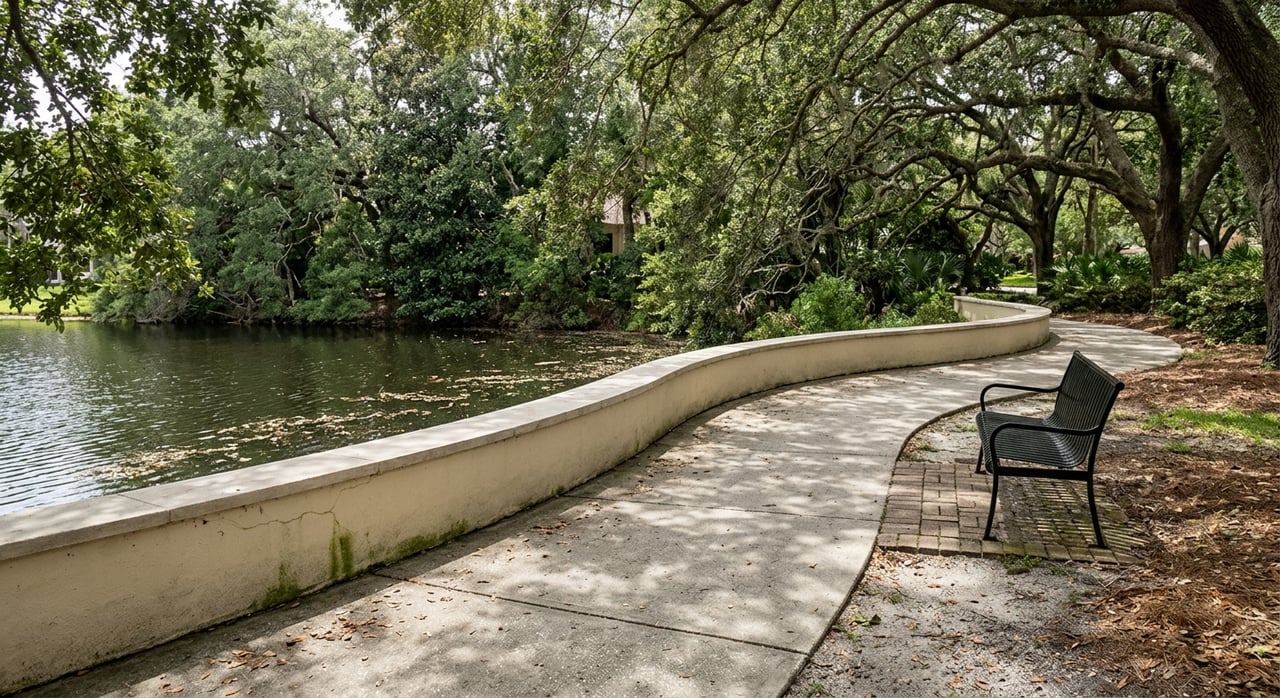
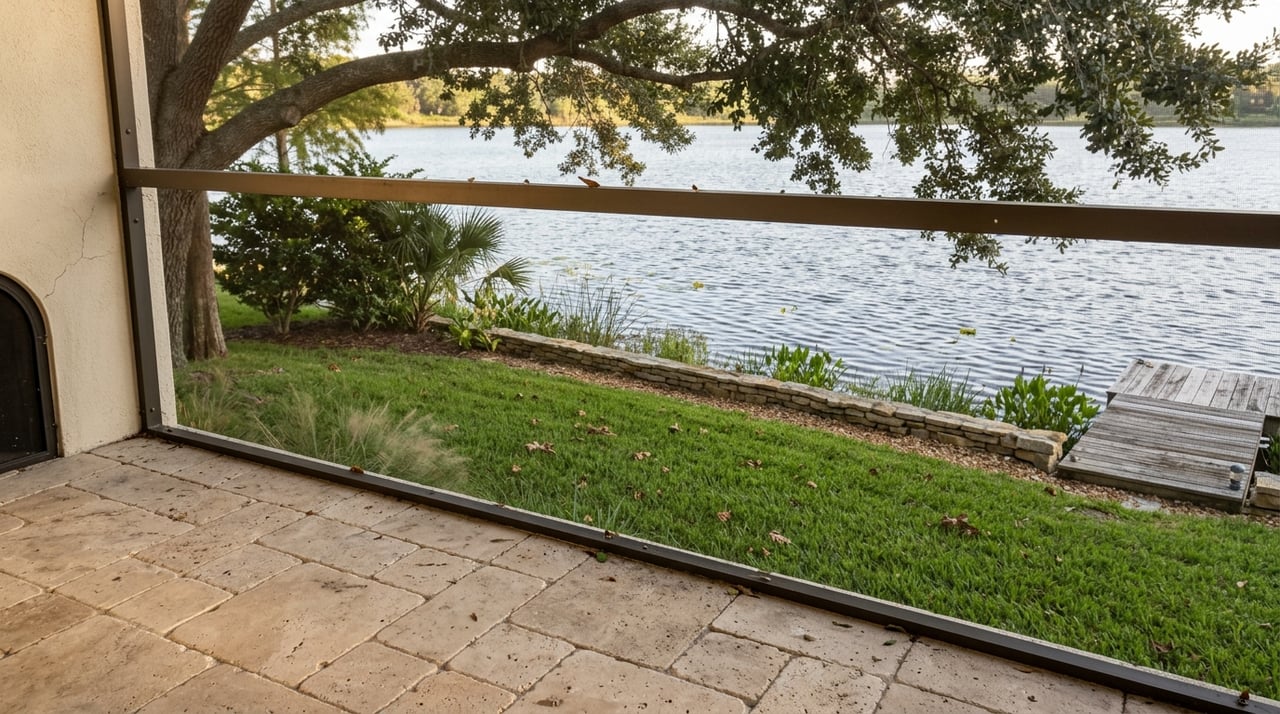
Golden Eagle’s gated access, golf amenities, larger lots, and neighborhood prestige appeal to tenants who value security and lifestyle. Proximity to state offices, Florida State University and Florida A&M University, and major hospitals adds convenience that executive tenants notice. These features often support a rent premium over standard neighborhood rentals.
Who your tenant is
You are targeting renters who prioritize convenience, privacy, and service. Common profiles include:
- State agency executives and managers on multi-year assignments.
- Visiting faculty, department chairs, or university administrators with fixed-term contracts.
- Health system leaders, visiting physicians, or contract administrators.
- Corporate consultants, legal and lobbying professionals tied to legislative work.
- Relocating professionals who prefer a furnished home while they buy.
- Affluent retirees seeking amenities and a gated setting.
When demand peaks
Executive demand is steady year-round, but you can expect upticks tied to the legislative session and the academic calendar. Summer and early fall moves can be busy. Health care hiring and contract work often runs continuously, so stay ready for opportunities every month.
What rent premium is realistic
Executive and furnished listings typically command a premium because of convenience and included services. A common range is 10 to 30 percent above comparable unfurnished rentals. Your exact premium depends on furnishing quality, included utilities and services, and exclusivity of amenities. A fully furnished, well-presented home with strong service often leases faster and at stronger rates than a basic listing.
Underwrite the numbers
Strong decisions start with a clear model. Build a simple pro forma for 3 to 5 years and pressure test it before you list.
Revenue assumptions
- Research 3 to 6 rental comps in Golden Eagle and similar gated communities. Exclude student housing.
- Apply an executive premium in the 10 to 25 percent range for furnished or fully turnkey setups.
- Plan for conservative annual occupancy of 85 to 95 percent to cover turnover and timing gaps.
- Consider other revenue like pet fees, membership transfer fees where applicable, or utility reimbursements if you include services.
Expense line items
- Mortgage debt service if financed.
- Property taxes and appropriate landlord insurance. Verify coverage for furnished homes and higher liability limits.
- HOA dues for Golden Eagle. Confirm current rates and any tenant approval fees.
- Utilities if you include them in rent. Many owners include high-speed internet.
- Maintenance and repairs. Budget 1 to 3 percent of property value annually, more if you have a pool or extensive landscaping.
- Landscaping and pool service for curb appeal and reliability.
- Furnishing reserves. Set aside 5 to 10 percent of furnishing cost annually for wear and replacement.
- Turnover costs. Cleaning, laundry, and touch-ups can run from about $500 to $2,000 per turn.
- Management fees. Expect 8 to 12 percent for long-term management, potentially higher with concierge services.
- Vacancy reserve. Model one to two months per year as a safety buffer.
- Legal and leasing costs. Include listing, attorney review, and screening.
- Capital expenditures. Plan for big-ticket items like HVAC, roof, and appliances over time.
Capital and furnishing
Furnishing costs can range from about $5,000 to $30,000 depending on the size of the home and the level of finish. Executive tenants value quality mattresses, blackout curtains, a functional home office with a good chair and desk, a reliable router, and a clean, cohesive design.
Performance checks
Calculate Net Operating Income, cash flow after debt service, and cash-on-cash return. Run a break-even occupancy test so you know how much vacancy you can absorb.
Sensitivity scenarios
- Base case: market rent plus a 15 percent premium, 92 percent occupancy, and standard management. Often results in modest positive cash flow after reserves.
- Downside case: little or no premium, 85 percent occupancy, and higher turnover costs. This highlights risk and liquidity needs.
- Upside case: premium near 25 percent, strong renewals, and minimal capital surprises. This shows the potential of high-quality execution.
Leasing and management checklist
Before you list
- Confirm HOA and deed restrictions, including minimum lease length, tenant approval processes, and parking rules.
- Inspect systems like HVAC, plumbing, and roof. Fix safety and reliability items first.
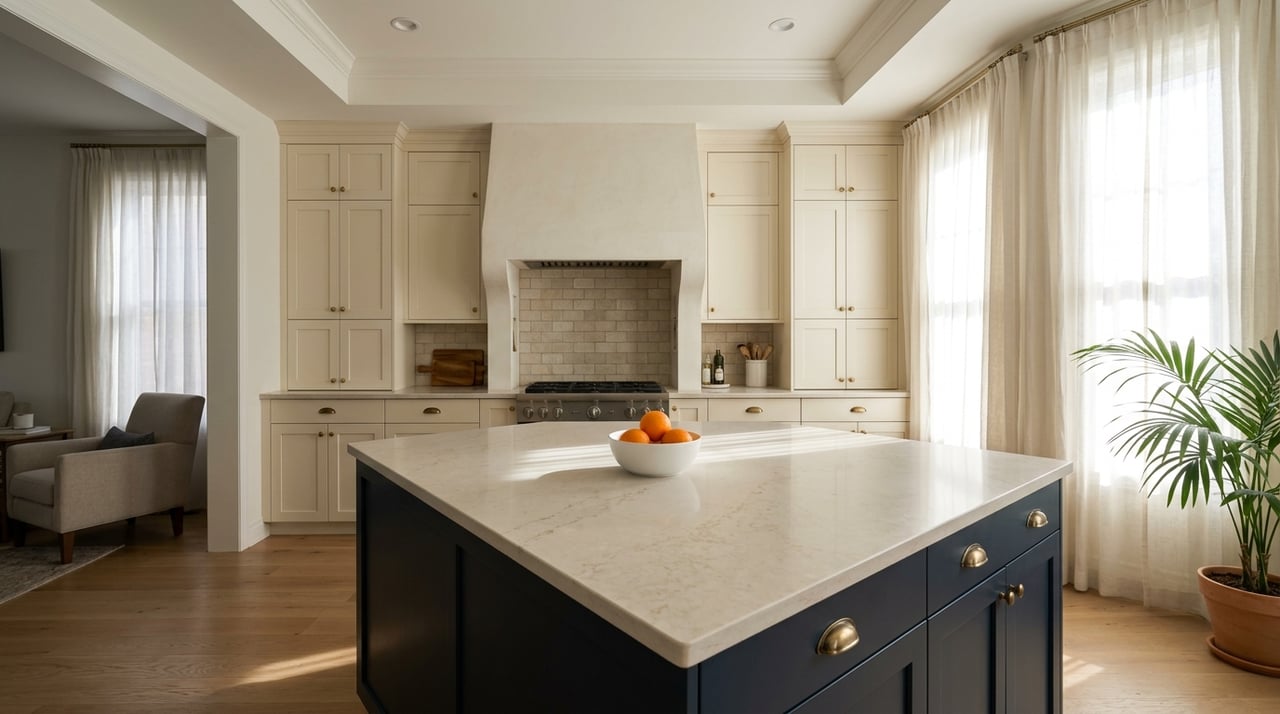
- Decide on furnishing level. For executive positioning, include tasteful furniture, a home office, and essentials like washer and dryer.
- Order professional photos and a floor plan. Prepare a neighborhood sheet that highlights gated access, golf, and proximity to major employers.
Marketing and pricing
- Use targeted channels like corporate housing companies, university offices for visiting faculty, hospital housing coordinators, relocation agencies, and the MLS for longer terms.
- Emphasize turnkey convenience, gated security, golf and pool access, garage parking, and flexible 6 to 24 month terms.
- Be clear about what is included. If utilities or housekeeping are included, spell that out and price accordingly.
Screening and lease terms
- Verify employment or secure a corporate guarantee. Run standard checks for income, credit, criminal background, and landlord references.
- Set lease terms for 6 to 24 months with clear renewal options. Month-to-month after the term can be priced at a premium.
- Align deposits and fees with Florida law. Consider a modest nonrefundable cleaning fee and a separate pet fee if applicable.
- Attach a furniture and inventory addendum with condition photos at move-in and move-out.
- Outline which utilities and services you cover. If you include them, add usage caps or a utility addendum to manage costs.
- Provide a 24/7 maintenance contact and clear response times in the lease.
Move-in and service
- Complete a photo-documented move-in checklist with meter readings and inventory sign-off.
- Provide HOA access passes, gate codes, pool keys, and a welcome packet with essential contacts.
- Offer optional concierge-style touches, like housekeeping coordination, landscaping and pool scheduling, and helpful local info.
- Keep up with preventative maintenance, especially HVAC filters, lawn care, and pool service.
Renewal, turnover, and documents
- Start renewal conversations 60 to 120 days before lease end. Offer small incentives for 12-month renewals.
- After move-out, do a condition report, charge fairly for damages, and schedule repairs quickly to reduce vacancy.
- Keep templates ready: a Florida lease reviewed by a local attorney, corporate housing addendum, guarantee form, and move-in/out checklists.
Rules and risk to confirm
- HOA policies: Get current Golden Eagle covenants and leasing rules. Some communities require tenant applications, background checks, or admin fees.
- Florida landlord-tenant law: Review Chapter 83 for deposits, disclosures, evictions, and habitability. Check Leon County ordinances for any local rules.
- Insurance: Ensure your landlord policy covers furnished homes and consider umbrella liability. Confirm what the HOA master policy covers versus owner responsibility. Ask tenants to carry renter’s insurance.
- Taxes and business items: Track rental income and expenses for tax reporting. If you package services like housekeeping, ask a CPA about sales tax or business registration. Corporate housing can have different classifications.
- Lease flexibility: Draft clear clauses for early termination, subletting, corporate guarantees, and changes to HOA amenities or access.
Does it work in Golden Eagle?
Yes, it can, if you run the numbers and manage it like a professional service. Tallahassee’s stable base of public sector, university, and health care employers creates steady demand for turnkey housing. Golden Eagle’s gated setting and amenities support a premium that can offset higher HOA costs and furnishing reserves. With realistic underwriting, polished presentation, and reliable service, a long-term executive rental can perform well here.
If you want help pricing your home, preparing it for an executive tenant, or modeling cash flow, let’s talk. Team With Titus offers local guidance, staging advice, negotiation, investment support, and instant valuations tailored to Golden Eagle.
FAQs
What is an executive rental in Golden Eagle?
- A long-term home, often furnished and turnkey, leased for about 6 to 24 months to professionals who value convenience, privacy, and amenities.
How much more rent can I charge in Golden Eagle?
- Executive and furnished homes often see a 10 to 30 percent premium over similar unfurnished rentals. The exact number depends on finishes, services, and presentation.
What lease length does the Golden Eagle HOA allow?
- Policies vary by community rules. Confirm minimum lease terms, any approval process, and fees with the HOA before listing.
Should I furnish my Golden Eagle home?
- Furnishing can boost demand and speed up leasing for executives. Budget for quality pieces and set aside 5 to 10 percent of furnishing cost annually for wear and replacement.
What services should I include for executives?
- High-speed internet, landscaping, and pool service are common. Some owners offer housekeeping. If you include utilities, add clear usage caps in the lease.
How do I find qualified tenants for an executive rental?
- Use corporate housing companies, university visiting faculty channels, hospital housing coordinators, relocation agencies, and the MLS. Highlight turnkey convenience and flexible 6 to 24 month terms.
What laws and rules apply to my lease in Leon County?
- Florida landlord-tenant law in Chapter 83 governs deposits, evictions, and disclosures. Also review Leon County ordinances and your HOA covenants, and consult a local attorney for clarity.