Thinking about selling your SouthWood home? The timing can feel tricky, especially when you want to maximize your price, avoid delays, and keep your move on track. The good news is that with the right prep, pricing, and paperwork, you can make the process much smoother. Here’s what to expect from a typical SouthWood selling timeline and the local tips that can help you move forward with confidence. Let’s dive in.
What the SouthWood market looks like
SouthWood remains one of Tallahassee’s most recognized planned communities, and that setting shapes how buyers view homes here. As of March 2026, the median sale price in SouthWood was $435,000, up 8.8% year over year, and homes were taking about 58 days to sell on average.
That means your home may not sell overnight, even in a solid market. Redfin’s neighborhood data shows that SouthWood is somewhat competitive, with typical homes selling for about 1% below list price, while around 30.8% of homes sell above list. Some homes go pending in about 44 days, but recent closings also stretched as long as 147 days, which shows how much pricing and presentation matter.
Compared with the broader area, SouthWood is holding up well. In March 2026, Tallahassee homes sold in about 62 days on average, and Leon County homes sold in about 68 days. That gives you helpful context as you build a realistic plan.
A practical SouthWood selling timeline
For most sellers, a smart planning window includes about a month of prep before listing, several weeks on the market, and additional time from contract to closing. If you start early, you give yourself room to fix issues, gather documents, and launch with fewer surprises.
Weeks 1 to 4: Prep before listing
This is the stage where small details can make a big difference. National 2026 research from Realtor.com found that 53% of sellers took one month or less to get their home ready, and that lines up well with what many SouthWood sellers need.
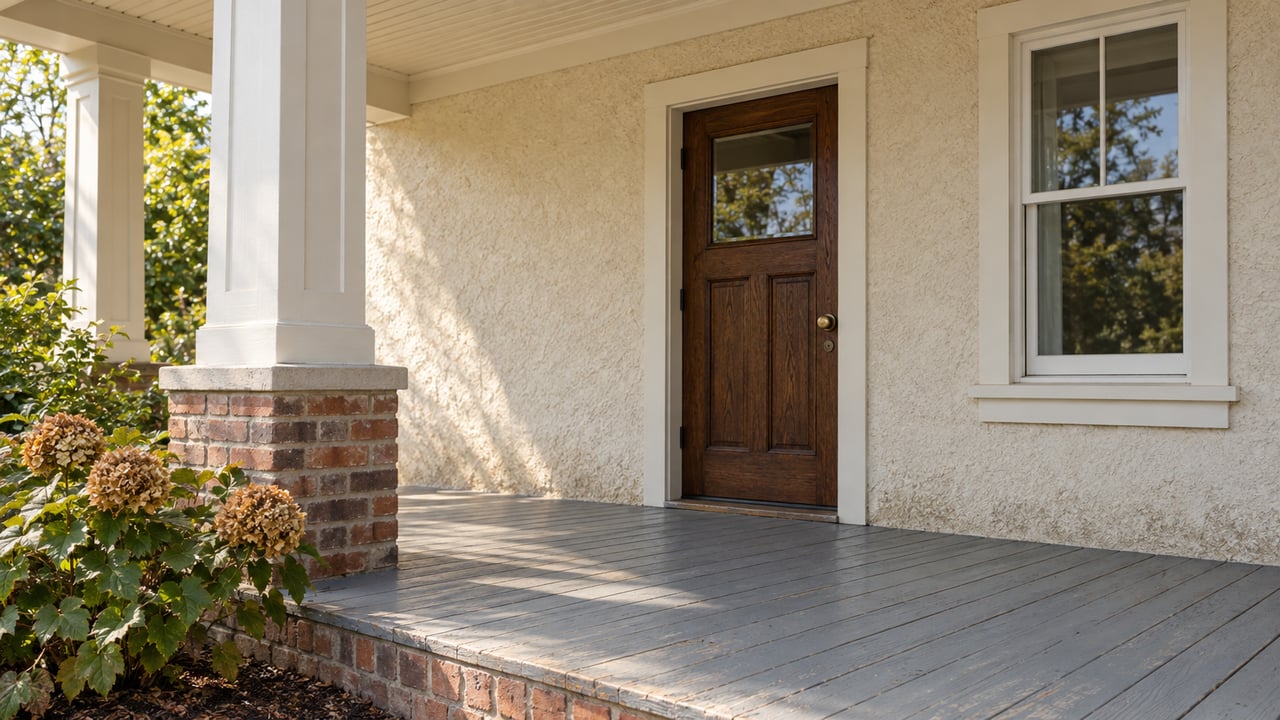
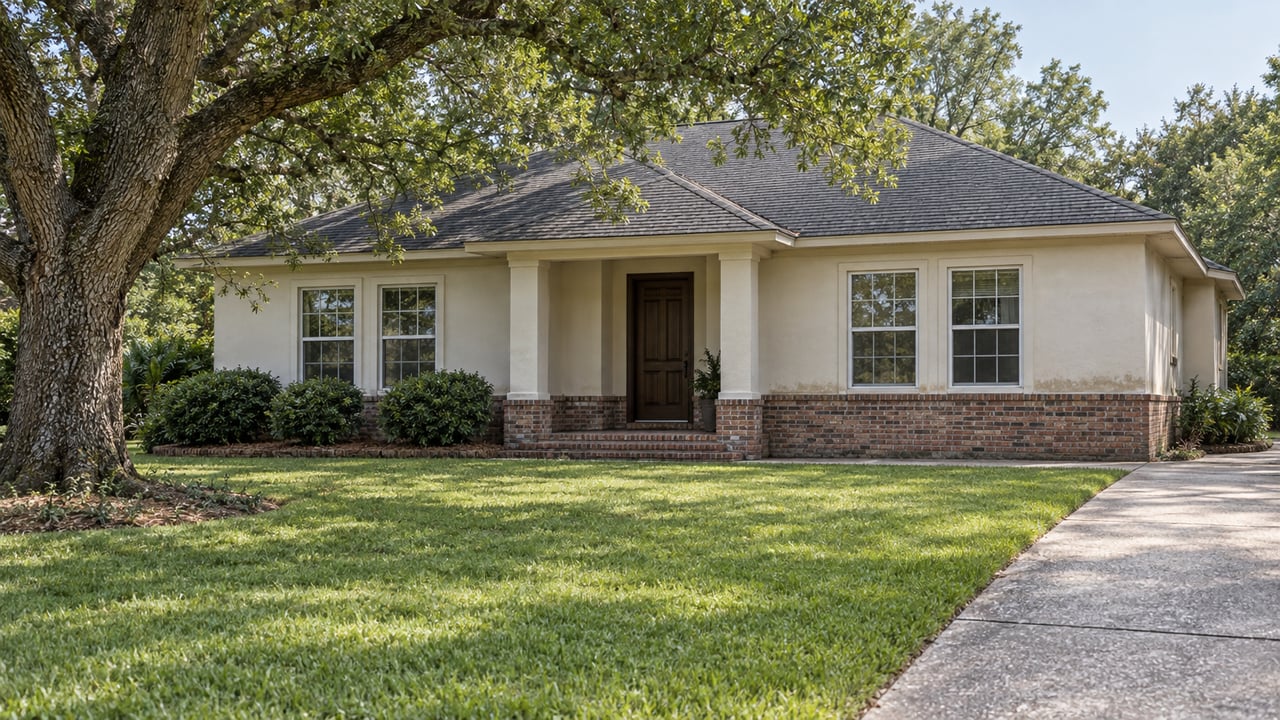
Your goal during this stage is simple: make the home feel move-in ready and get your paperwork in order. In a neighborhood where landscaping, common areas, and exterior appearance are highly visible, buyers tend to notice condition right away.
Focus on practical improvements like:
- Decluttering
- Pressure washing
- Lawn care
- Fresh mulch
- Minor paint touch-ups
- Prompt repairs
- Cleaning up exterior and entry areas
If you have completed work on the home, this is also the time to gather permit records and repair documentation. Clean records help answer buyer questions quickly and can reduce stress later.
Weeks 5 to 12: Active listing period
Once your home goes live, expect a multi-week process rather than an instant sale. SouthWood’s average market pace suggests that even well-positioned homes should be planned as a several-week listing.
This is where pricing discipline matters most. If you price too high at the start, your listing can drift toward the longer end of the local range. A strong launch, supported by solid market data and polished presentation, usually gives you the best chance to attract serious buyers early.
Contract to closing: Usually several more weeks
After you accept an offer, the timeline shifts from marketing to coordination. Financing, inspections, HOA items, and closing paperwork can all affect how quickly the sale reaches the finish line.
If your buyer is financing the purchase, the Closing Disclosure must be provided at least three business days before closing. That requirement alone means the final stretch needs careful coordination.
Why local paperwork matters in SouthWood
SouthWood is not just any neighborhood. It is a large master-planned community with both HOA and CDD components, and buyers often want clarity about what belongs to each.
The HOA handles the pool and community center, while the CDD manages stormwater infrastructure, parks, green spaces, conservation areas, and alleyways. Some amenities are resident-only and require an amenity card, while other areas are public or community-managed spaces. That distinction is important, and buyers often ask about it.
HOA disclosure summary comes first
Florida law requires a prospective buyer in an HOA community to receive a disclosure summary before the contract is signed. If that summary is not provided first, the contract can be voided.
That makes this one of the most important documents in your sale. Having it ready before the first serious offer can save time and help prevent last-minute issues.
Estoppel timing can affect closing
Florida HOA law requires an estoppel certificate to be issued within 10 business days after request. The estoppel should show items such as:
- Assessment balances
- Transfer or resale fees
- Open violations
- Board approval requirements
- Insurance contact information
An emailed or hand-delivered estoppel is effective for 30 days, while a mailed estoppel is effective for 35 days. Because of that limited window, timing matters. If closing gets delayed, updated paperwork may be needed.
CDD information should be verified early
SouthWood’s CDD matters because its special assessments are collected through homeowners’ tax bills. Sellers should verify what appears on the tax bill early in the process so there are no surprises during contract or closing.
Flood questions deserve extra attention
SouthWood includes lakes, ponds, wetlands, trails, and stormwater infrastructure, so flood and drainage questions often come up. Florida now requires a flood disclosure at or before the time the sales contract is executed.
Even if your home has never flooded, buyers may still ask about prior water intrusion, drainage patterns, standing water, runoff, or insurance claims. It helps to be ready with clear, factual answers and any records you have.
Florida law also requires sellers to disclose known facts that materially affect value and are not readily observable, even in sales handled as-is. That means it is better to address known issues early than hope they never come up.
What helps a SouthWood home sell faster
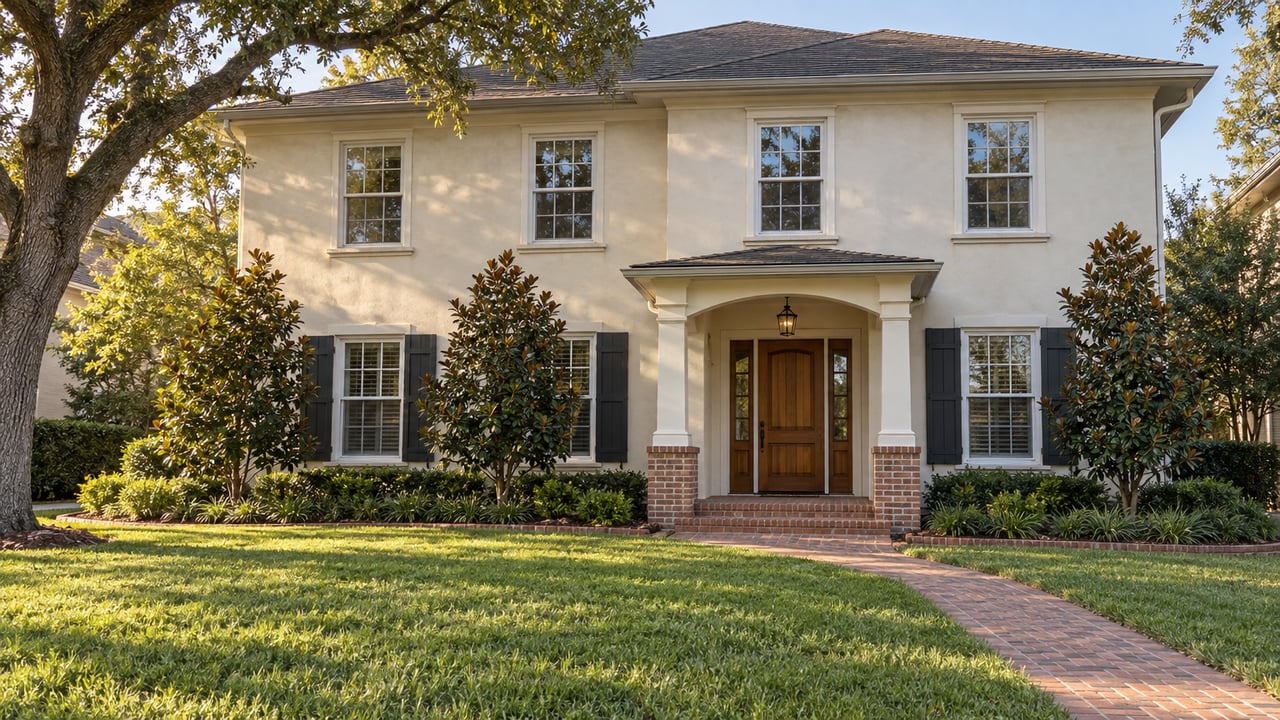
In this neighborhood, buyers often respond well to homes that feel clean, cared for, and correctly priced from day one. Because the community has a polished look and strong outdoor appeal, exterior condition carries extra weight.
The most effective steps are usually the most practical ones. You do not always need a major renovation. You need a home that feels well maintained and easy for a buyer to say yes to.
Focus on these high-impact moves
- Price close to current SouthWood and nearby Tallahassee comps
- Handle minor repairs before listing
- Improve curb appeal with lawn care and mulch
- Pressure wash exterior surfaces
- Declutter and simplify each room
- Gather HOA, CDD, and permit documents early
- Prepare flood-related information you know about the property
When your home shows well and your paperwork is ready, buyers tend to feel more confident. That confidence can help your sale move with fewer delays.
What can slow your sale down
Overpricing is one of the biggest risks. SouthWood’s recent sales show that some homes move much faster than others, and a listing that misses the market can sit longer than expected.
Deferred maintenance can also cost you time. Weak listing photos, messy exterior presentation, and unresolved inspection concerns can make buyers hesitate or push harder during negotiations.
Paperwork issues can be just as disruptive. If the HOA disclosure summary is missing, or if the estoppel reveals unpaid assessments, transfer fees, or open violations, those issues often need to be resolved before closing.
Budgeting for closing costs
When you build your selling plan, remember to account for seller closing costs. In Leon County, Florida documentary stamp tax on the deed is $0.70 per $100 of consideration.
That does not mean every seller cost will be the same, but it is one local line item you should expect when estimating your net proceeds. Planning ahead helps you make clearer decisions about pricing and timing.
Best timing for a SouthWood listing
Early spring is often the strongest selling window. Realtor.com’s 2026 national analysis identified April 12 through 18 as the best week nationally to list, which supports the broader trend that spring tends to bring stronger buyer activity.
That said, timing alone does not sell a home. In SouthWood, success still comes back to pricing, condition, and preparation. A well-prepped home launched at the right price will usually outperform a rushed listing, even during a busy season.
A simple SouthWood seller game plan
If you want a smoother sale with fewer surprises, keep your plan straightforward. Start prep about a month before listing, aim for a clean and move-in-ready presentation, price conservatively against current comps, and have your HOA, CDD, and flood documents ready before your first showing.
That approach fits what the local market is showing right now. On average, you should plan for roughly two months on market for a typical SouthWood listing, plus additional time after contract for lender and HOA milestones.
Selling in SouthWood is not just about putting a sign in the yard. It is about understanding the neighborhood, anticipating the paperwork, and presenting your home in a way that matches what today’s buyers expect. If you want a local teammate to help you build the right strategy, Titus Nixon is here to help with pricing guidance, staging support, marketing, and hands-on coordination from list to close.
FAQs
How long does it usually take to sell a home in SouthWood?
- As of March 2026, homes in SouthWood were taking about 58 days to sell on average, though actual time can vary based on price, condition, and marketing.
What documents do SouthWood home sellers need before listing?
- A strong seller packet should include the HOA disclosure summary, estoppel-related information, records of assessments or special assessments, permit records for completed work, and any flood-related information you know about the property.
Why is the HOA disclosure summary important in a SouthWood home sale?
- Florida law requires the buyer in an HOA community to receive the disclosure summary before the contract is signed, and the contract can be voided if that does not happen.
What is the SouthWood CDD and why does it matter when selling?
- The CDD manages items like stormwater infrastructure, parks, green spaces, conservation areas, and alleyways, and its special assessments are typically collected through the homeowner’s tax bill.
Do SouthWood home sellers need to provide flood information?
- Yes. Florida requires a flood disclosure at or before contract execution, and buyers may also ask about drainage, prior water intrusion, standing water, runoff, or related insurance claims.
What is the biggest mistake SouthWood sellers make?
- Overpricing is one of the most common issues because it can push a listing into a longer market time, especially in a neighborhood where some homes move quickly and others sit for months.