If your home already has great bones, mature landscaping, and a well-known neighborhood name behind it, you might wonder how much staging really matters. In Killearn Estates, it still matters a lot because buyers notice presentation, flow, and condition right away. The good news is that you do not need a trendy makeover to make an impact. You just need a smart, room-by-room plan that helps buyers picture everyday life in your home. Let’s dive in.
Why staging matters in Killearn Estates
Killearn Estates is a long-established planned community in northeast Tallahassee with mature trees, lakes, parks, trails, and an established residential feel. The neighborhood also includes a large share of three- and four-bedroom single-family homes, many built between 1970 and 1999. That means buyers are often looking closely at layout, upkeep, and how each room functions.
Staging helps you meet that moment. According to the National Association of Realtors, 83% of buyers’ agents said staging makes it easier for buyers to visualize a property as their future home. The same research found that many real estate professionals saw staged homes earn stronger offers and spend less time on the market.
In a neighborhood like Killearn, the goal is not to make your home look overly designed. The better strategy is a polished, neutral, lived-in look that fits the area’s established character and helps buyers focus on space, light, and livability.
Start with the highest-impact rooms
If you are short on time or budget, focus first on the rooms buyers care about most. NAR’s 2025 report found the living room ranked highest in importance for buyers, followed by the primary bedroom and kitchen. Those spaces should get the most attention before listing photos or showings.
A practical order for most Killearn Estates sellers looks like this:
- Declutter and depersonalize the whole home
- Deep clean every visible surface
- Refresh the front entry and living room
- Stage the kitchen and primary bedroom
- Polish bathrooms and outdoor areas
- Tidy secondary rooms that will appear in photos or showings
That sequence usually gives you the best return without overspending.
Stage the front exterior for a clean first impression
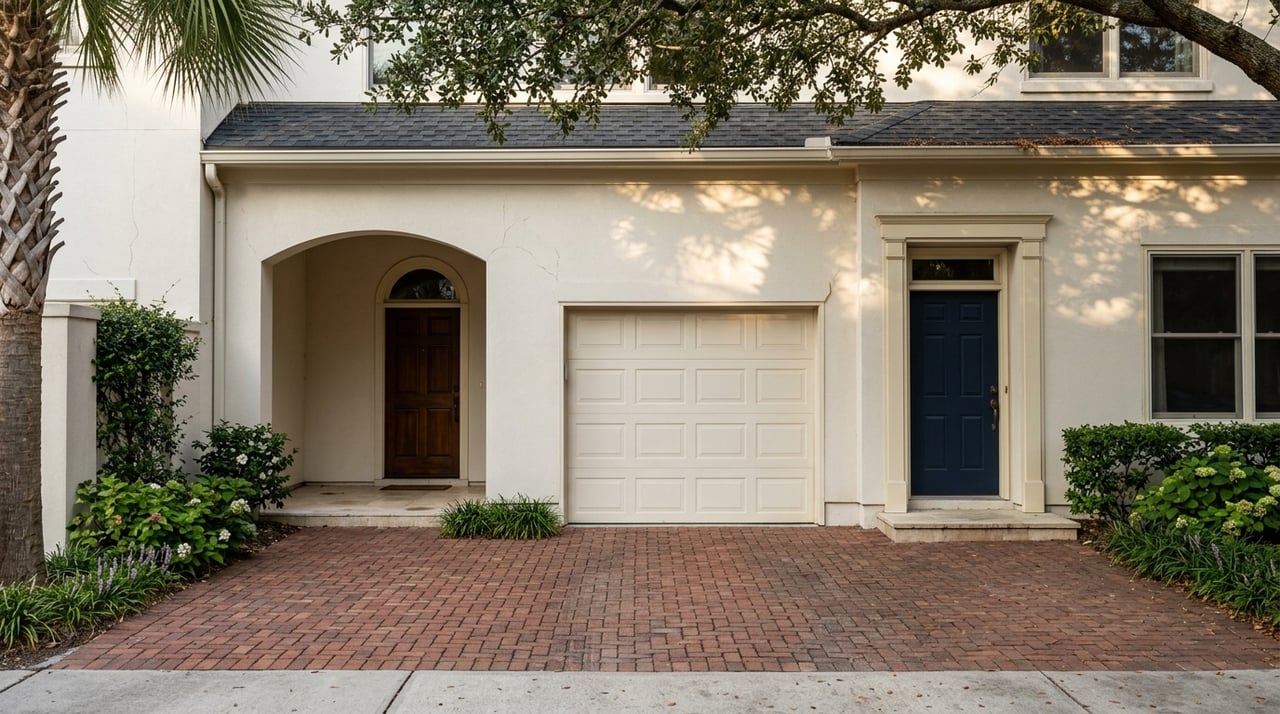
In Killearn Estates, curb appeal should feel clean and maintained, not busy or overdecorated. Mature trees and established landscaping already do a lot of the visual work for you. Your job is to make the entrance feel cared for and easy to approach.
Focus on simple updates that improve first impressions:
- Trim landscaping near the walkway and entry
- Clear leaves, branches, and debris
- Pressure wash the front path and porch if needed
- Add a simple doormat or one planter
- Make sure the front door looks fresh and clean
Buyers start forming opinions before they walk inside. A neat, welcoming entry helps set the tone for the rest of the showing.
Arrange the living room to show space
The living room is the top staging priority for a reason. Buyers tend to picture daily life there first, so the room should feel bright, open, and easy to use. In many established homes, furniture placement can either help the room feel generous or make it seem tighter than it is.
Remove any oversized or extra pieces that block pathways. Arrange seating to create clear conversation areas, and keep sightlines open to windows, doorways, and connected spaces. If the room feels too empty, add just enough furniture to define the space without crowding it.
Natural light also matters. Open the blinds, clean the windows, and use lamps if corners feel dim. A room with good flow and balanced furniture usually feels larger and more comfortable right away.
Simplify the kitchen, not just the counters
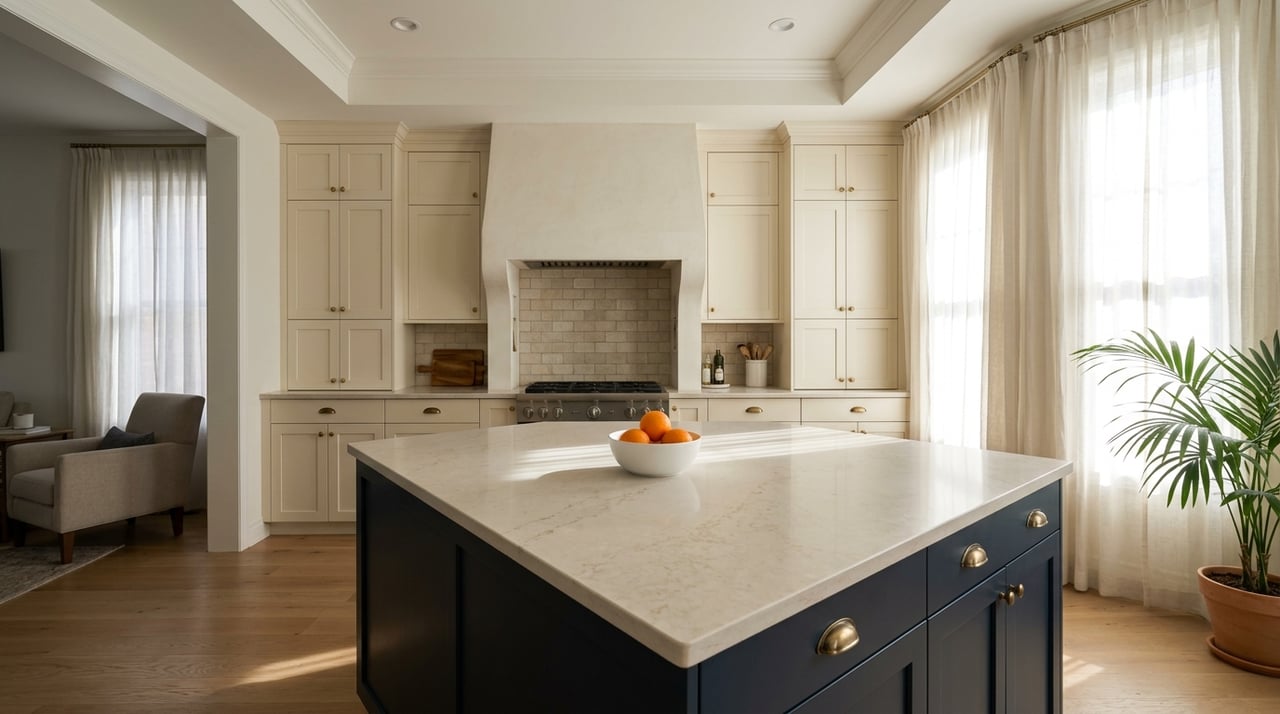
The kitchen is one of the most important rooms buyers notice, and it is also one of the easiest places to overdo staging. In Killearn Estates, the smartest approach is usually a deep clean and a strong edit. Buyers want to see a kitchen that feels functional, bright, and easy to maintain.
Start with counters, refrigerator doors, and open shelving. Remove magnets, notes, small appliances, and anything that creates visual noise. Then look at lighting, sink condition, and whether an island, breakfast nook, or dining area reads clearly.
A few restrained accents are enough. Think a bowl of fruit or one simple tray, not a fully decorated countertop. If your kitchen opens to a family room, make sure both spaces feel connected and uncluttered.
Give the dining room a clear purpose
Many Killearn homes have separate dining areas or extra rooms that can be harder for buyers to read quickly. If a room’s purpose is not obvious, buyers may start wondering whether the layout works for them. That uncertainty can weaken an otherwise strong first impression.
If the room is best used as a dining room, stage it that way with a simple table setting and enough space to move around comfortably. If the room functions better as a flex space, make the use clear. A quiet work area, reading room, or secondary dining zone can work well if the setup looks intentional.
The main point is clarity. Every room should answer the question, “What would I do here?” within a few seconds.
Keep the primary bedroom calm and open
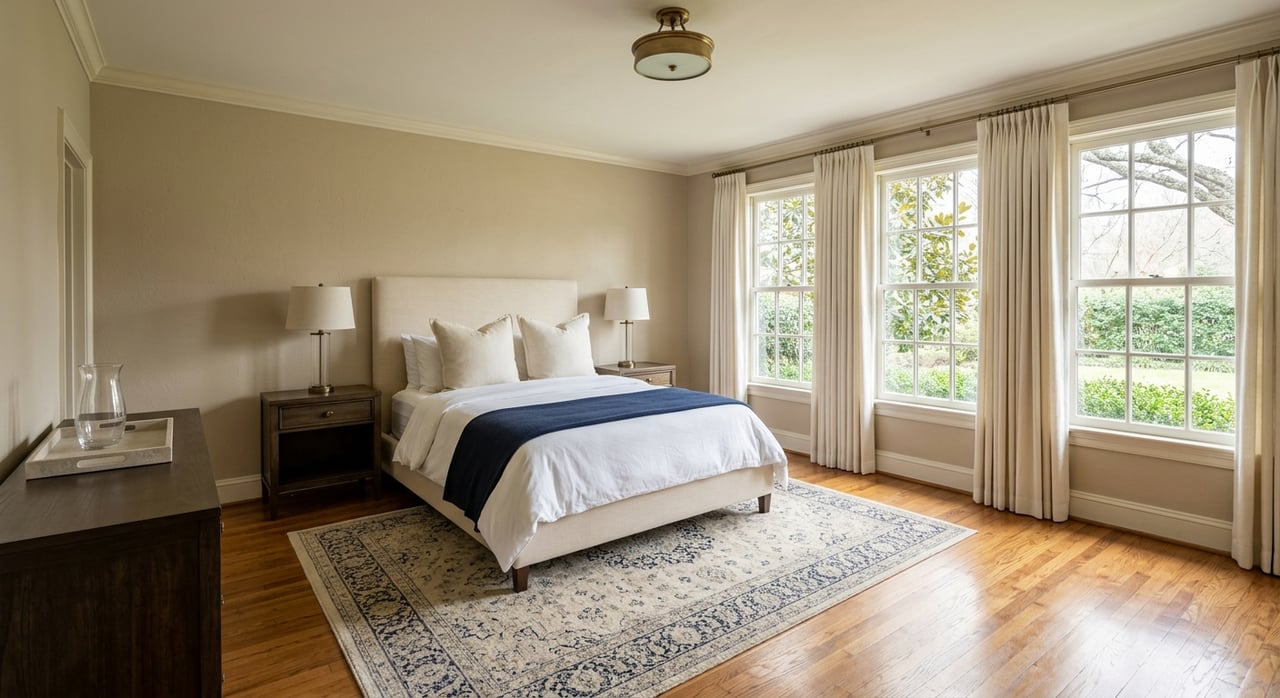
The primary bedroom is the second-most important staged room for buyers, according to NAR. It should feel restful, simple, and spacious. This is not the room for extra furniture, overflowing dressers, or busy patterns.
Center the bed if possible, use coordinated bedding, and keep nightstands balanced with matched lamps or similar-scale lighting. Remove workout gear, pet crates, and anything that competes with the room’s calm feel. If the bedroom includes a sitting area, keep it minimal so the room still feels open.
Closet presentation matters too. Edit clothing and shoes to show available storage space rather than fullness. A closet that looks only half to two-thirds full often reads better than one packed to capacity.
Make secondary bedrooms easy to understand
Secondary bedrooms are easy to overlook, but they matter in Killearn Estates because many homes have three or four bedrooms. Buyers are often comparing not just square footage, but how well each room might work for guests, work, hobbies, or everyday living.
You do not need to fully stage every secondary bedroom. A strong strategy is to stage one as a guest bedroom or office, then keep the others neutral, clean, and scaled correctly. That means no oversized furniture, no heavy clutter, and no confusing mixed uses.
If one room is smaller, let it look smaller but usable. Buyers respond better to an honest, functional setup than a room crammed with furniture that makes dimensions harder to judge.
Clean bathrooms like buyers will inspect them
Bathrooms may not top the staging list, but buyers pay close attention to them. A spotless bathroom sends a strong message about maintenance. Even if the finishes are not brand new, cleanliness and simplicity go a long way.
Clear counters completely except for one or two minimal accents. Store personal products, cleaning supplies, and extra items out of sight. Use fresh towels, make sure mirrors shine, and check that lighting is bright enough.
Look closely at grout lines, fixtures, and shower glass. These small details can affect how updated or cared-for the whole room feels.
Do not ignore the laundry room and utility spaces
Laundry rooms, mudrooms, and utility areas may not be feature spaces, but they still influence how buyers feel about the home. In an established neighborhood, these rooms can quietly reinforce the sense that a property has been well maintained.
Keep shelves neat, limit visible supplies, and clear the floor where possible. If there is storage, show it with a few organized bins rather than a packed wall of items. Buyers do not expect luxury here, but they do notice order and upkeep.
Treat outdoor areas like living space
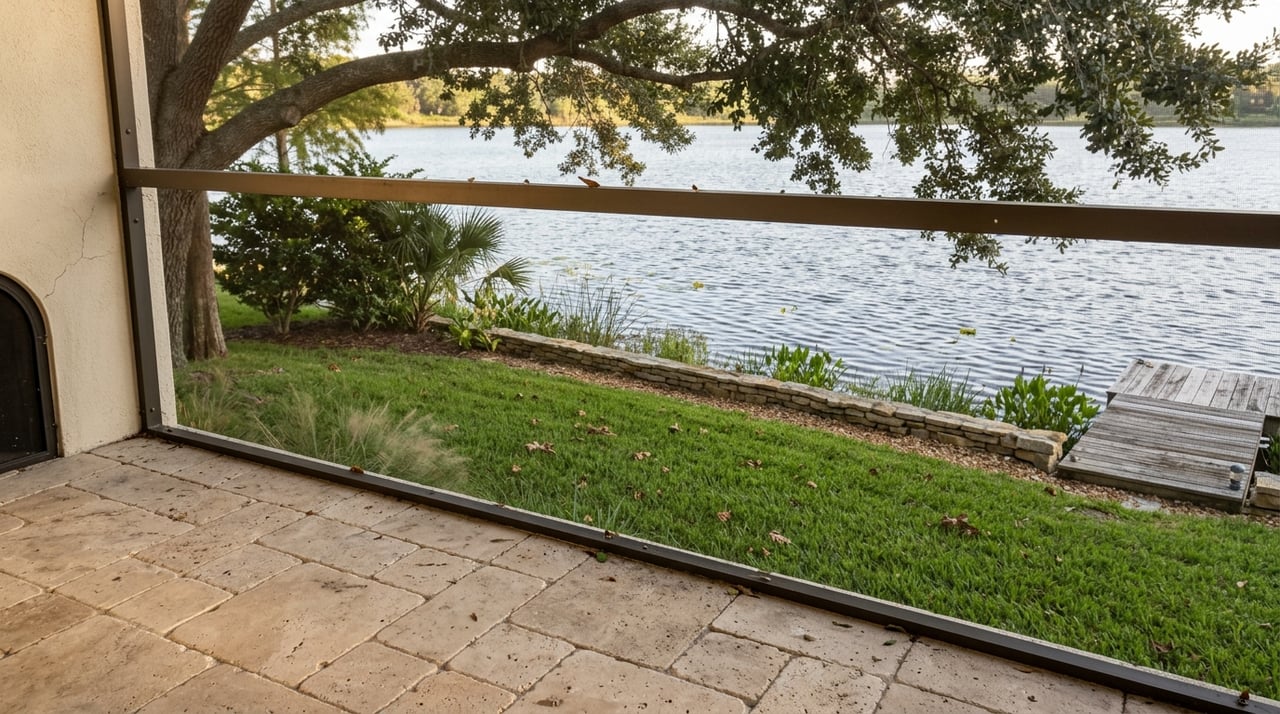
Outdoor staging matters in Killearn because the neighborhood’s natural setting is part of the appeal. Parks, trails, lakes, and green space help shape buyer expectations. Your outdoor areas should support that lifestyle rather than compete with it.
Clean the porch, patio, deck, or pool area and define one clear seating zone. A small table and chairs or a simple conversation set often works better than trying to fill every corner. Keep the area open enough for buyers to notice the yard, trees, and surrounding setting.
If you have a larger backyard, resist the urge to over-stage it. Buyers usually respond better to a clean, usable space than to lots of furniture or decorative extras.
Edit closets, storage, and the garage
Storage always matters, and staging can help buyers see it more clearly. Packed closets and crowded garage walls can make a home feel like it is short on space, even when it is not. Your goal is to show capacity, not prove how much fits.
Use this simple rule: less is better. Leave open space on shelves, line up bins neatly, and clear enough floor area for buyers to move around comfortably. In a pantry, closet, or garage, a little breathing room can make the home feel more functional.
Choose a style that fits Killearn Estates
The safest staging style for this neighborhood is neutral, bright, and low-clutter. That approach supports the character of Killearn Estates and helps buyers focus on the home itself. It also works well for homes from the 1970s through the 1990s, where strong staging can help floor plans feel more intentional and current.
That does not mean your home has to feel plain. It means using simple bedding, clean-lined accessories, balanced furniture placement, and light, open surfaces. A classic, timeless look usually outperforms a highly trendy one when you want broad buyer appeal.
What to do if your home is vacant
If your home is empty, even light staging can help. NAR notes that vacant rooms can feel smaller and less inviting, which makes it harder for buyers to judge scale and imagine how they would use the space. This is especially true in main areas like the living room, primary bedroom, and dining area.
You do not always need to stage every room in a vacant home. Focus on the rooms that will anchor your listing photos and shape the first showing experience. A few well-placed pieces in the right rooms can create much more impact than spreading a small budget too thin.
A smart staging plan beats a bigger budget
The strongest staging strategy is not always the most expensive one. In many cases, decluttering, cleaning, better furniture placement, and a few targeted updates do more than a full redesign. Buyers in Killearn Estates are often responding to maintenance, light, and usable space as much as décor.
That is where local guidance can make a real difference. When you know which rooms matter most and how buyers are likely to read an established Killearn floor plan, you can spend your time and money more effectively.
If you are getting ready to sell in Killearn Estates, Titus Nixon can help you build a staging plan that fits your home, your timeline, and your goals.
FAQs
What rooms should Killearn Estates sellers stage first?
- Start with the living room, primary bedroom, and kitchen, since NAR reports those are the rooms buyers care about most when a home is staged.
Do Killearn Estates sellers need to stage every room?
- No. A targeted approach usually works well, especially if you first declutter, deep clean, and focus on the rooms that will stand out most in photos and showings.
What staging style works best for Killearn Estates homes?
- A neutral, bright, low-clutter look is usually the safest choice because it fits the neighborhood’s established character and helps buyers focus on space and function.
Should sellers stage vacant homes in Killearn Estates?
- Usually, yes. Even light staging in the main rooms can help vacant spaces feel more inviting and make it easier for buyers to judge size and layout.
How should Killearn Estates sellers stage outdoor spaces?
- Keep patios, porches, decks, and pool areas clean and simple, and define one clear seating area so buyers can picture everyday use without distracting from the yard or natural setting.
What should Killearn Estates sellers remove before showings?
- Remove personal items, excess furniture, countertop clutter, pet items, and overfilled closet contents so buyers can better see the home’s space, light, and storage.