Trying to picture what life looks like inside a Killearn Estates home? You’re not alone. With roots in the 1960s and steady growth ever since, Killearn offers a wide mix of brick ranches, larger two-story homes, and renovated plans that live like new. In this guide, you’ll learn the most common styles and layouts, typical sizes and lots, what features drive value, and which updates pay off when you sell. Let’s dive in.
What makes Killearn Estates unique
Killearn started in the mid‑1960s as one of Tallahassee’s earliest planned communities. The vision included underground utilities, multiple parks and lakes, varied lot sizes, and several housing types so you could choose what fits your lifestyle. That planned approach is why you see such a range of home ages, materials, and floor plans across the neighborhood today. You can read more about the community’s history and amenities on the Killearn Homes Association page.
Local amenities shape what buyers want. Proximity to area parks and the Market District retail corridor adds daily convenience. The Killearn Country Club has undergone a multi‑year refresh, and its updates have increased the amenity value for nearby homes according to recent coverage. Inside the neighborhood, you’ll find parks, walking and bridle trails, and community events managed by the homeowners association.
The main home styles you’ll see
1960s–1970s brick ranches
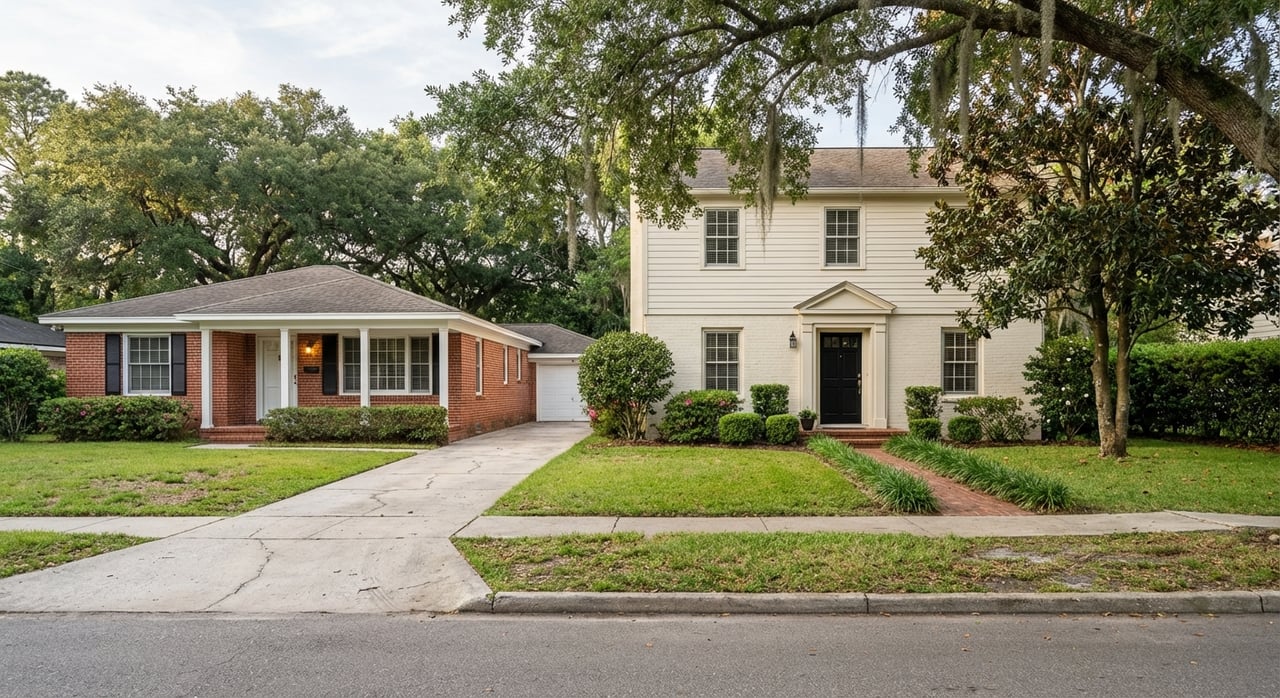
If you love single‑level living, the classic Killearn brick ranch is a standout. These homes typically offer:
- One story with a practical footprint
- Formal living and dining rooms
- A closed or galley kitchen, sometimes with a small eat‑in nook
- A family room and bedrooms grouped on one wing
- Period details like porches and brick fireplaces
This style reflects Killearn’s early development era and remains widely available. Many of these homes sit on larger, established lots. For a neighborhood-era overview, see Tallahassee Magazine’s look at northeast classics and materials used over time in the area’s homes (read more).
1980s–1990s two‑story family homes
As Killearn expanded, later phases introduced bigger footprints and more flexible floor plans. Common traits include:
- Two stories with 4 or more bedrooms
- Optional study, bonus, or hobby rooms
- Primary bedroom on the main level or upstairs, depending on the plan
- Exterior finishes that move beyond brick to include stucco and, later, fiber‑cement/Hardie plank
These homes appeal if you need separation of spaces, extra bedrooms, and room to grow. Materials and facades vary, reflecting broader building trends during those decades (see style overview).
2000s–present renovations and infill
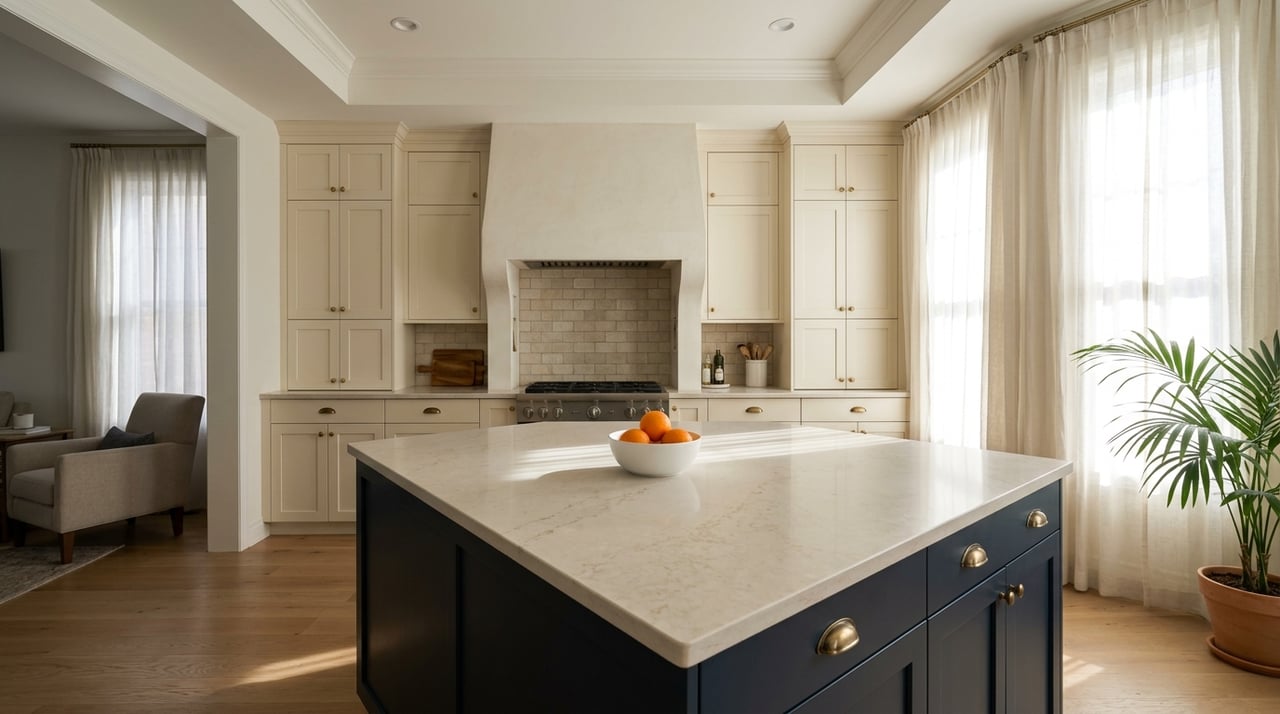
You’ll also find renovated classics and occasional newer infill that deliver a more contemporary feel. Typical features include open kitchens with islands, updated primary suites, engineered or higher‑performance materials, and improved HVAC and roofing systems. The result is a home that keeps Killearn’s established-lot charm while living like a new build.
Sizes, lots, and how homes live
Most Killearn single‑family homes fall roughly in the 1,900 to 2,200 square foot range, based on local market reporting and listing samples. The neighborhood also includes pockets of condos and townhomes if you prefer lower maintenance. At the higher end, you’ll see larger lakefront and golf‑course properties that carry premium pricing.
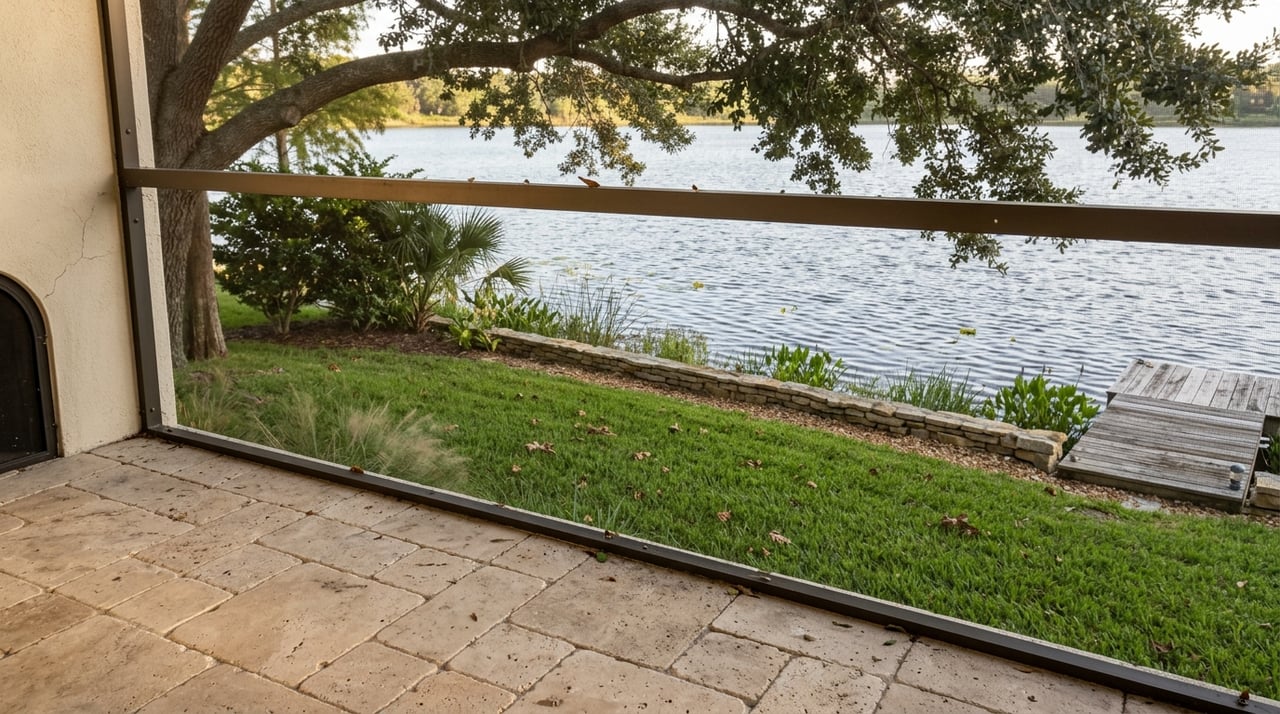
Lot sizes vary by section. Some older tracts offer notably larger parcels, with many single‑family lots in the 0.3 to 0.8 acre range and some approaching three‑quarters of an acre. That extra space supports outdoor living, play areas, and mature landscaping that many buyers value in Killearn.
Layouts explained: formal vs. open
How older plans flow
Early ranches often feature a traditional sequence: a front formal living room, a separate dining room, a closed or galley kitchen, and a family room. Bedrooms typically cluster on one side of the house. Fireplaces and screened porches show up often, adding indoor‑outdoor charm.
What updates change
Many Killearn sellers have opened walls to connect kitchens with main living spaces. You’ll frequently see islands, reworked pantries, refreshed baths, and upgraded flooring. These changes create better sightlines and gathering spaces while preserving the home’s character.
Two‑story flexibility
Later two‑story homes bring extra bedrooms and purpose-built rooms. If you need a work‑from‑home office, a bonus room for hobbies, or a layout that separates bedrooms from living spaces, these plans can be a great fit. Whether the primary suite sits upstairs or on the main depends on the specific floor plan.
What features drive value in Killearn
Neighborhood indices placed typical Killearn Estates values in the low to mid $400,000s in late 2025. Individual pricing depends on street, section, and condition, so you’ll want current comps from the MLS before you make a move. In general, three factors push value up:
- Renovation level, especially kitchens, baths, roof, and HVAC
- Lot position, with lakefront and golf‑course frontage commanding premiums
- Total square footage and livability, including flexible bonus spaces
Premium locations
Lake and golf settings often generate multi‑hundred‑thousand dollar premiums over the neighborhood’s typical values, especially when paired with large footprints and modern updates. Inventory is limited, so these homes tend to draw significant interest.
Age and condition
Un‑updated older ranches can price below renovated peers. Strategic improvements, like a minor kitchen refresh and strong curb appeal, often shorten days on market and improve net proceeds. Updated homes generally show and sell faster because buyers can picture moving in without major projects.
Move‑in‑ready kitchens and baths
Across local listings and national trends, buyers respond strongly to refreshed kitchens and bathrooms. In Killearn, these updates consistently help homes stand out.
Renovation priorities that pay off
National Cost vs. Value data shows the best returns often come from curb appeal and midrange updates rather than luxury overhauls. The latest report highlights exterior projects like garage and entry doors, siding, and manufactured stone veneer near the top for percentage of cost recouped. A minor kitchen remodel also lands among the strongest interior projects for resale. Review the 2025 summary from Zonda here: 2025 Cost vs. Value Report.
Consider this practical order of operations if you plan to sell in the next 6 to 18 months:
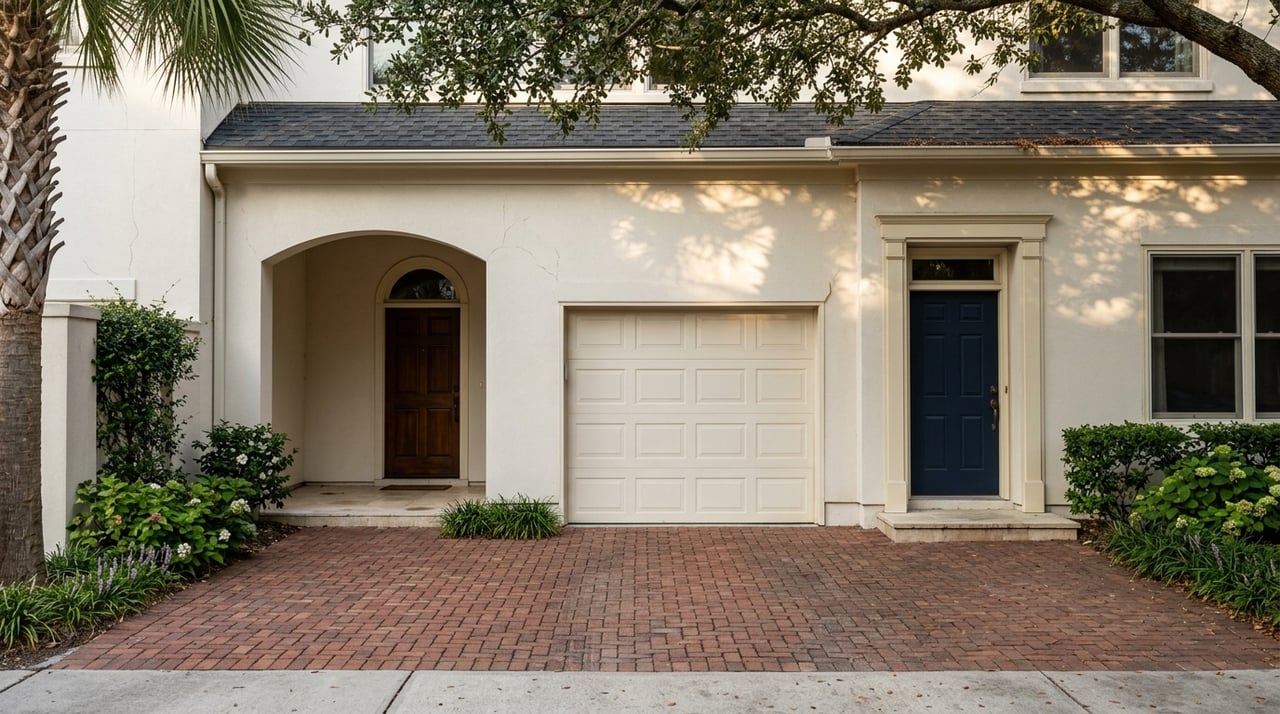
- High‑impact exterior: new garage or front door, fresh paint or siding refresh, landscaping, and roof repair or replacement if needed.
- Smart interior updates: a midrange kitchen refresh with cabinet refacing or paint, upgraded counters, newer appliances, plus a midrange bath update and flooring replacement or refinish.
- Be selective with big projects: major additions and ultra‑high‑end finishes can improve enjoyment, but they may offer lower percentage ROI in a mid‑to‑upper neighborhood like Killearn. Right‑sized quality usually wins.
Buying smart in Killearn: a quick checklist
When you tour Killearn homes, use this list to focus your due diligence. For any property, hire a licensed home inspector and verify permits and recorded work.
- Roof age and condition, since many homes date back several decades
- HVAC age, efficiency, and any recent replacements
- Moisture and drainage management, plus termite and wood‑rot checks
- Electrical panel capacity and grounding for modern loads
- Permits for past renovations and any structural changes
- HOA covenants and maintenance assessments, since Killearn is deed‑restricted and managed by the Killearn Homes Association
For school zoning details that serve the Killearn area, review the association’s Schools page. Always confirm final zoning with the district before you buy.
Which Killearn home fits your goals
Use these quick profiles to narrow your search:
- You want single‑level living and classic curb appeal: focus on 1960s–1970s brick ranches, especially those with updated kitchens and roofs.
- You need more bedrooms or a dedicated office: target 1980s–1990s two‑story plans with bonus rooms and flexible spaces.
- You prioritize a big, established lot and outdoor living: look in older sections where parcels often run 0.3 to 0.8 acres or more.
- You want minimal projects on day one: favor renovated homes with recent HVAC, roof, and kitchen or bath updates.
- You’re seeking a special setting: consider lakefront or golf‑course properties if you want views and are comfortable paying a premium.
Ready to explore Killearn with a local guide?
If Killearn Estates is on your shortlist, you deserve clear, data‑backed guidance from someone who knows the neighborhood. From pinpoint pricing to staging advice and contractor coordination, we help you move with confidence. Reach out to Titus Nixon to start your plan, request a free valuation, or see on‑market and coming‑soon opportunities.
FAQs
What are the most common home styles in Killearn Estates?
- You’ll mainly see 1960s–1970s one‑story brick ranches, 1980s–1990s two‑story family homes with more flexible spaces, and renovated or infill homes that deliver open plans and updated systems.
How big are typical Killearn Estates homes?
- Many single‑family homes fall around 1,900 to 2,200 square feet, with condos and townhomes in select pockets and larger lakefront or golf‑course homes above that range.
How do lakefront and golf‑course lots affect pricing in Killearn Estates?
- These settings usually command premiums over the neighborhood’s typical values, especially when paired with larger footprints and updated interiors, due to limited supply and higher amenity appeal.
Which renovations offer the best resale return in Killearn Estates?
- National data shows strong returns for curb‑appeal projects and a minor kitchen remodel, with details summarized in the 2025 Cost vs. Value Report.
What should I inspect closely when buying an older Killearn ranch?
- Prioritize roof and HVAC age, moisture and drainage, electrical panel capacity, and permits for past work, then budget for a kitchen or bath refresh if original finishes remain.
Is Killearn Estates part of an HOA, and what does that mean for buyers?
- Yes, Killearn is a deed‑restricted community with covenants and assessments managed by the Killearn Homes Association; review documents to understand fees, architectural guidelines, and maintenance standards.
Which public schools serve Killearn Estates?
- The association provides a zoning summary on its Schools page; confirm current assignments with the district during your due diligence.